Our campus is always evolving. A lab is reconfigured for a new research program. Educational spaces are renovated and fitted out with new furnishings and the latest technologies. Parking areas and pedestrian spaces are improved.
With the dynamic and multifaceted missions at UMass Chan there is an ongoing need for renovation and reconfiguring of the built environment and for capital maintenance to keep the existing infrastructure in good working order.
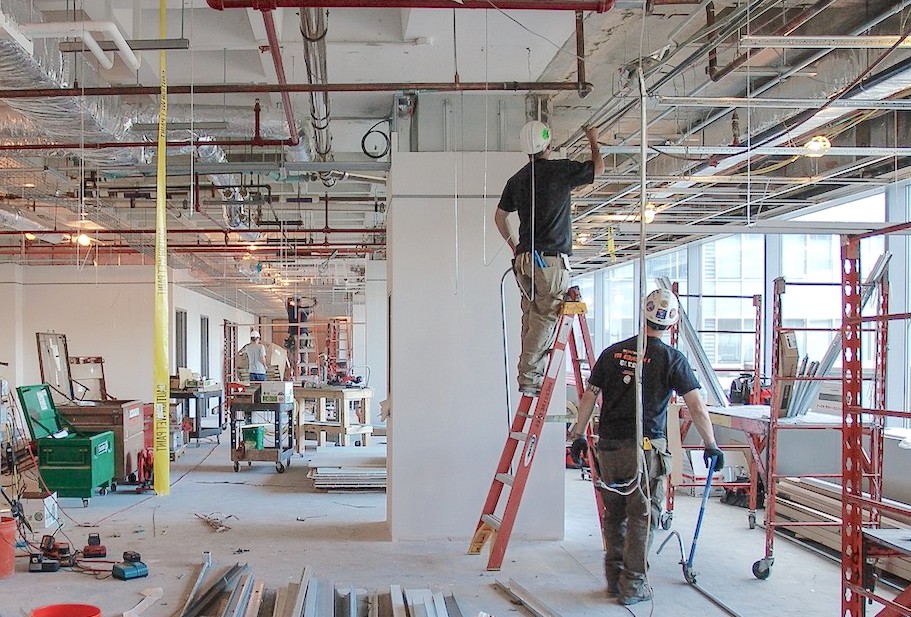
To meet these needs, the FEC team executes a wide range of engineering and construction projects in a typical year, guided by the campus master plan. On the FEC team are architects, project managers, electrical and mechanical engineers, CAD (computer aided design) specialists and support staff.
Our team helps school departments with initial design and estimates for all capital projects. Once a project is approved, the FEC team will develop the bidding documents, select contractors to do the work, and manage the project to maintain schedule and budget.

For more information about our design standards, guidelines, or to request our Revit Template, Revit Container File or CAD supportive documents, please email us at: Designtechgroup@umassmed.edu. In your subject line, please specify the document or model you are requesting information about.
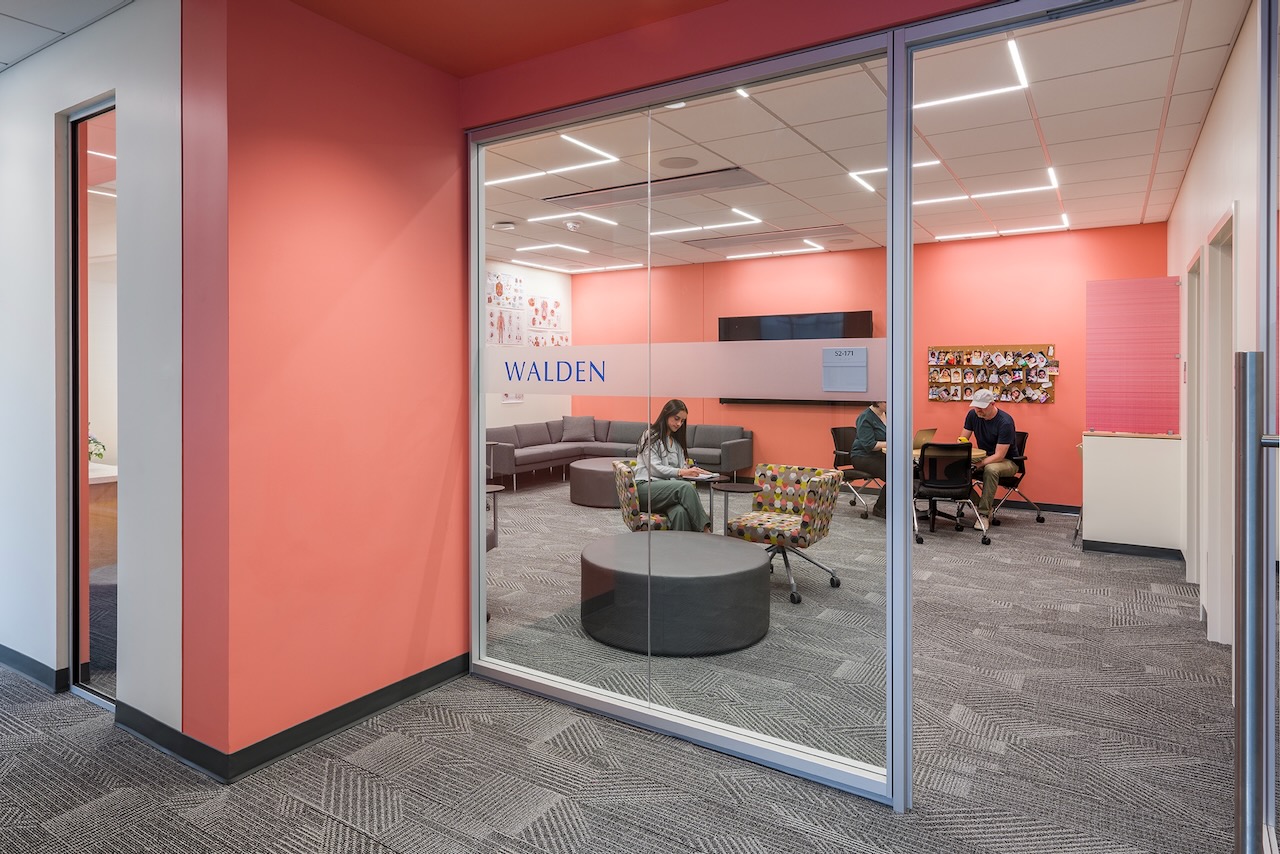
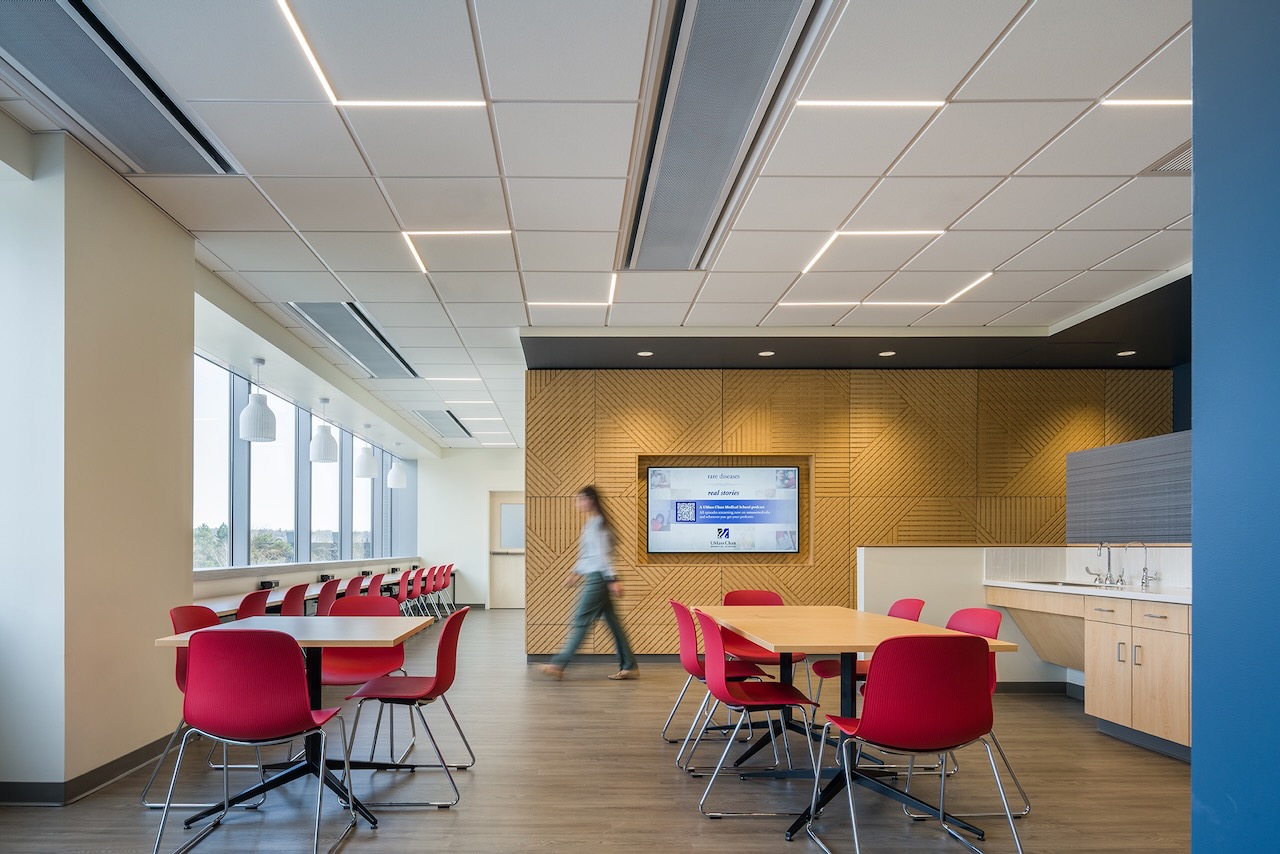
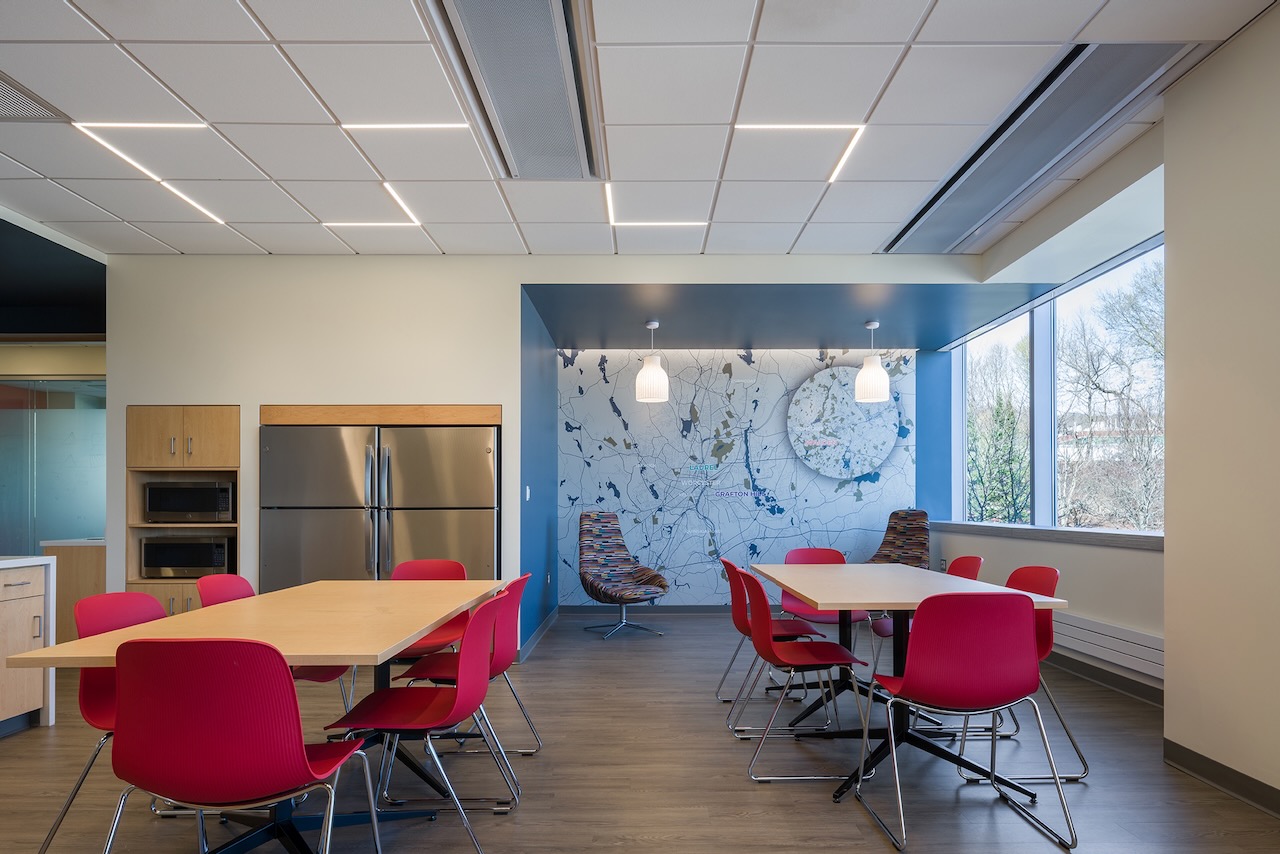
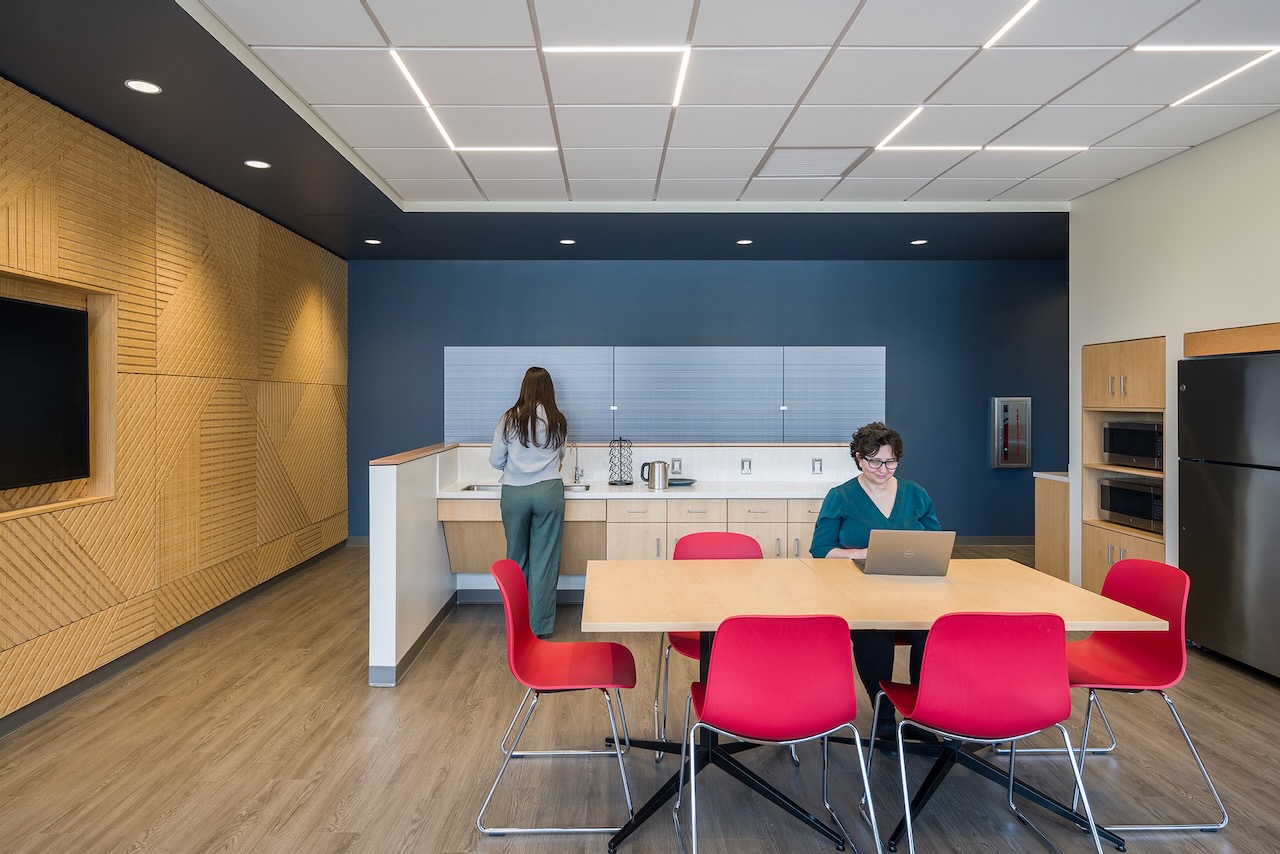
In addition to their academic tracks, students at T.H. Chan School of Medicine are members of Learning Communities, established to allow more interclass interaction where students can learn from each other as they will when they are out in the real world.
All entering first-year students are assigned to one of nine “houses”, each with regionally significant names. These social and academic homes are overseen by faculty mentors, who act as advisors, teachers and career development coaches.
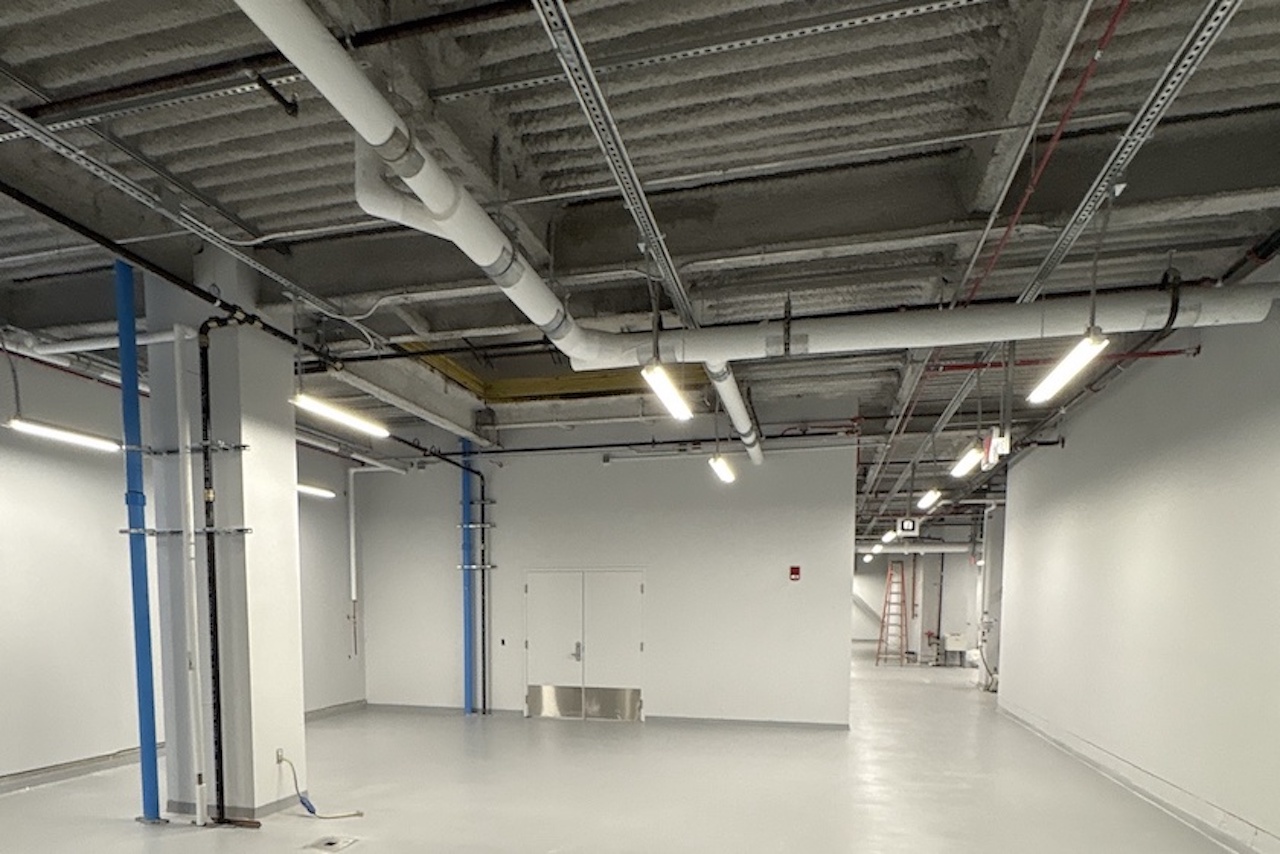
In recent years, as the incoming class sizes of the Medical School have grown, there was a need to expand the number of Learning Communities. Over the course of several years, the FEC team repurposed old wet laboratory and support spaces in the main school building to create three additional “houses” for students.
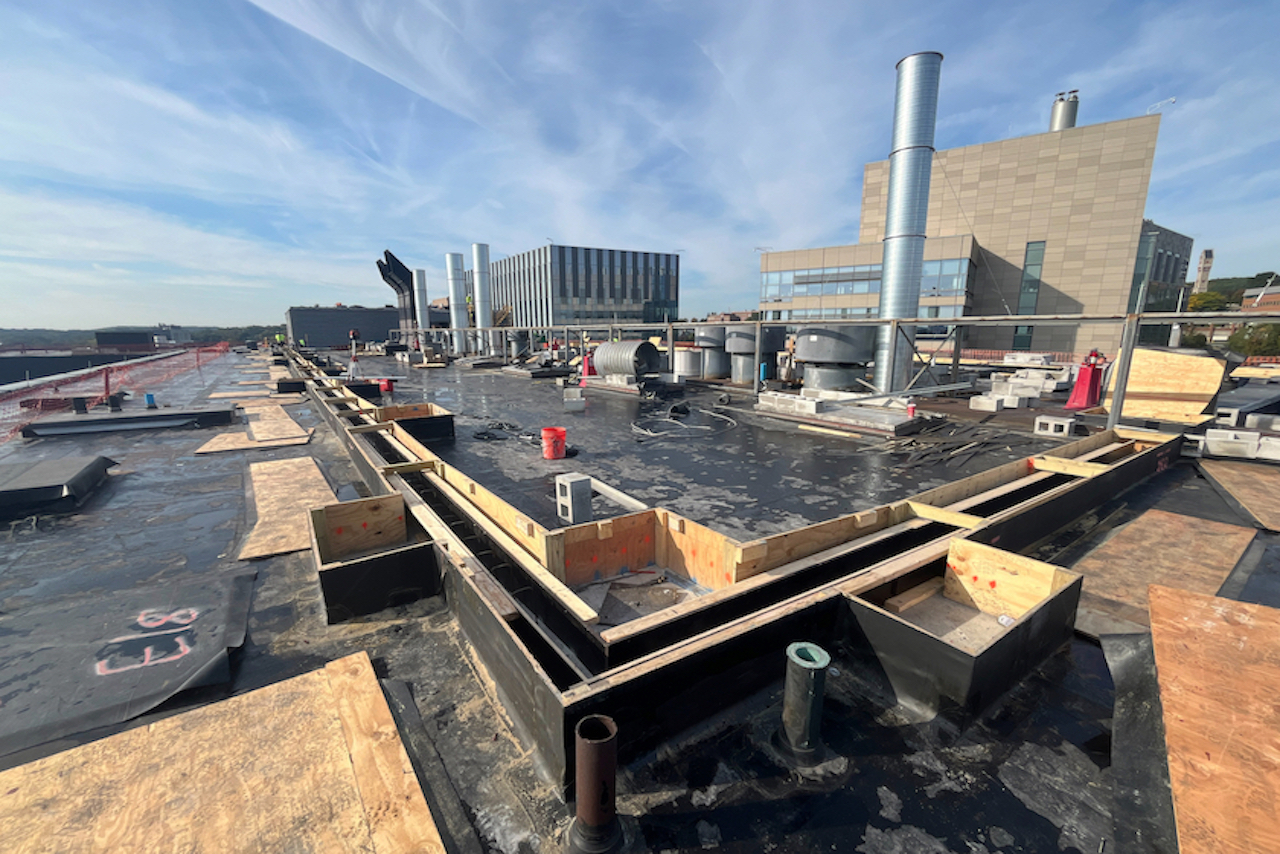
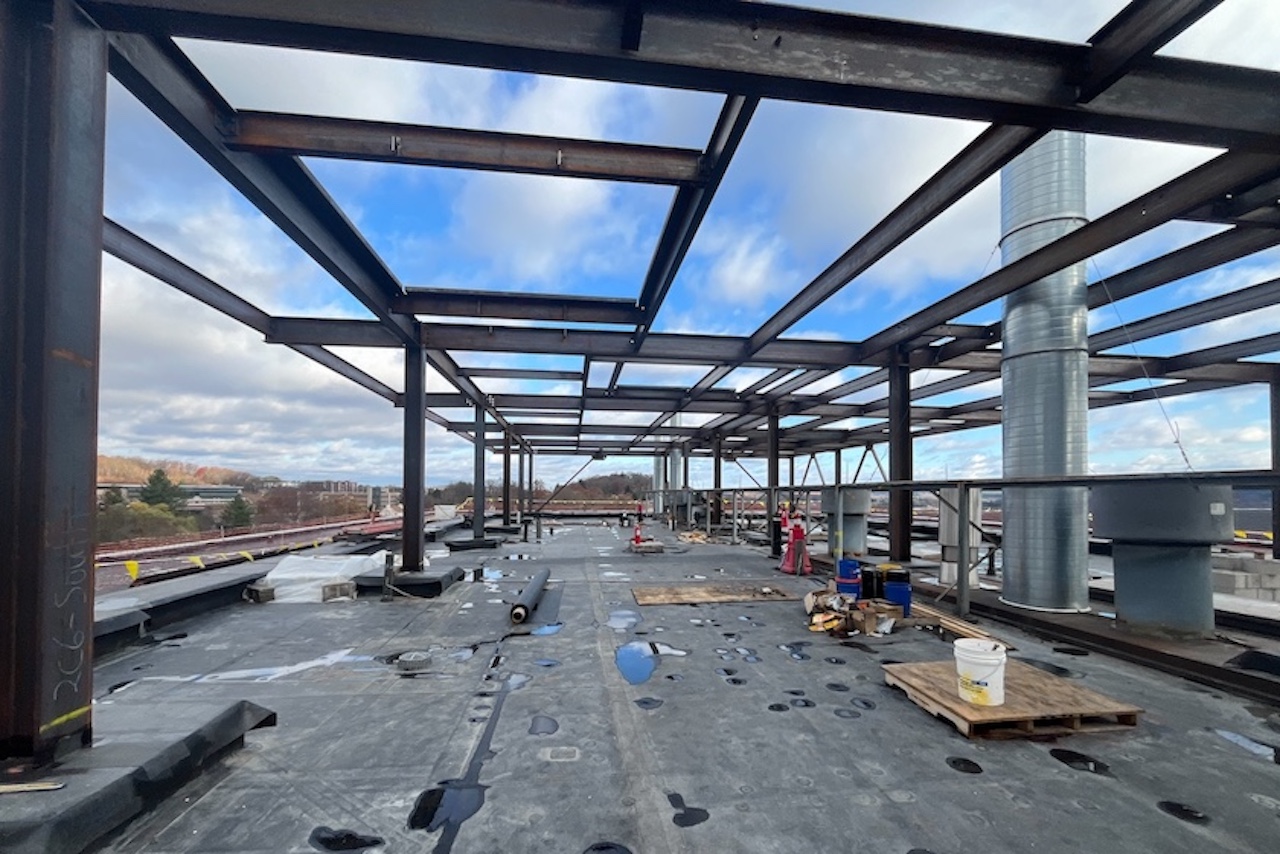
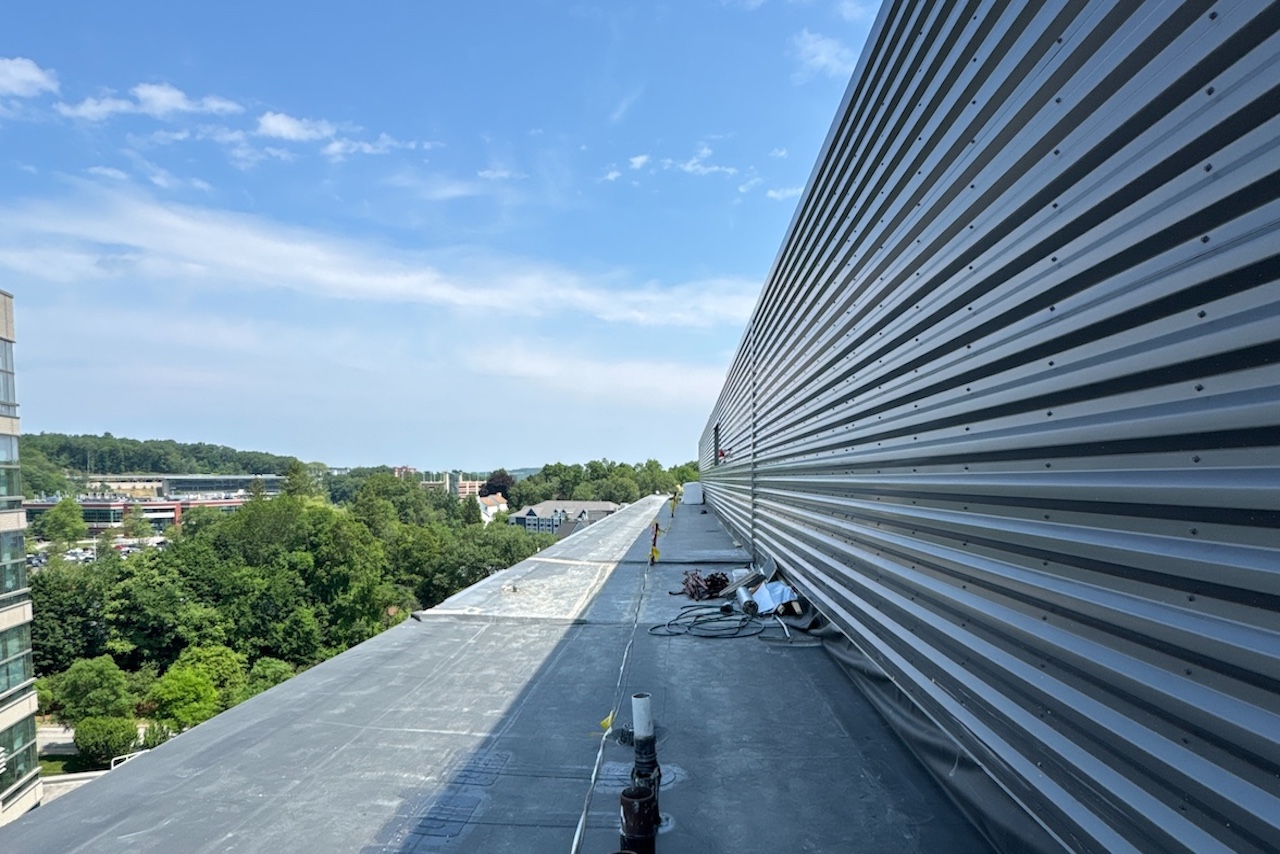
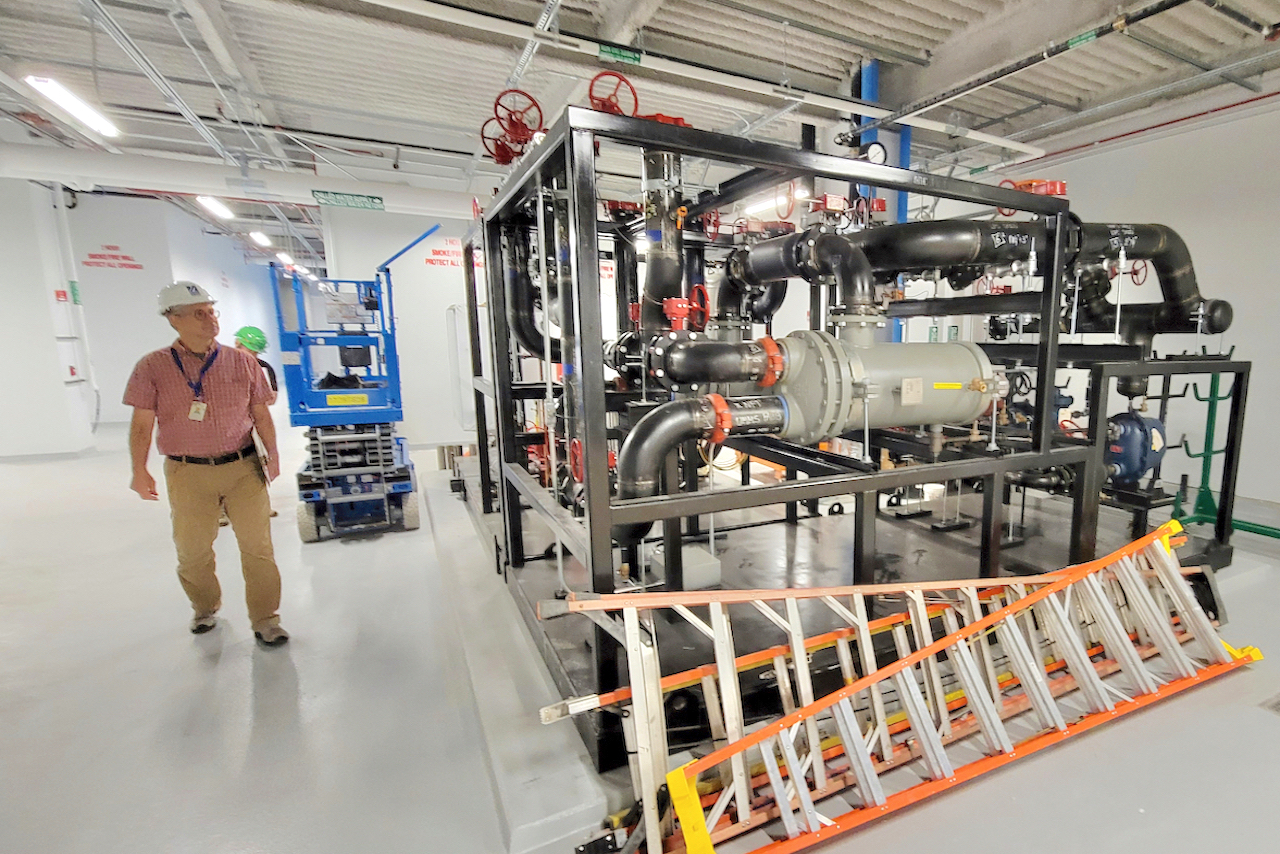
This logistically complex project added a ninth-level penthouse to the basic science wing of the main Medical School building.
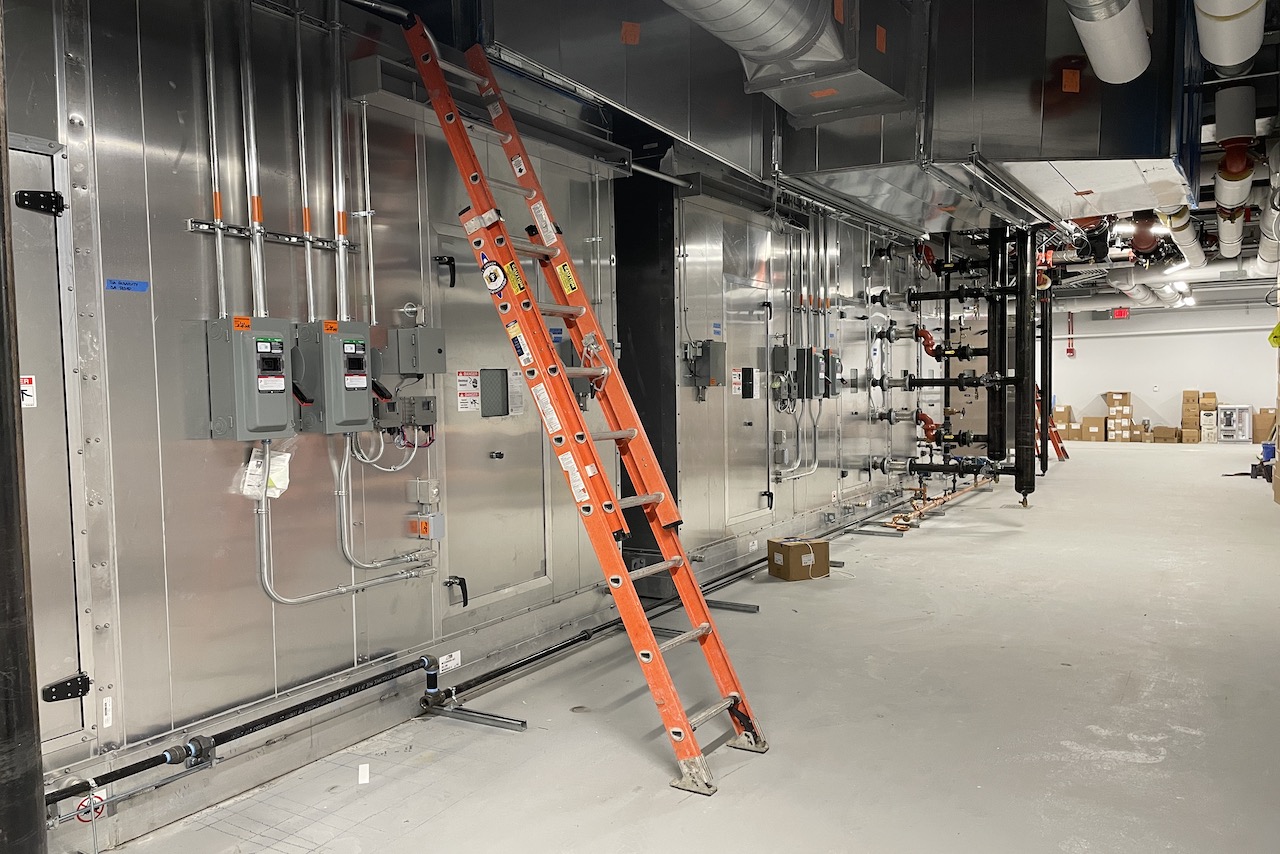
The goal was to modernize and enhance the capabilities of the basic science wing with updated electrical and mechanical systems, replacing many legacy components from the 1970s. The improvements will reduce energy consumption for heating the building by about 85 percent and for cooling it by 20 percent.
The new penthouse is 15,300 sq.ft. in area with 15-foot ceilings and a large weather-tight roof hatch to allow for equipment to be loaded in from above. It is fully integrated with the building, accessible by stairs and a service elevator.
Careful project planning allowed the rest of the building to remain occupied during construction. A total of 100 tons of structural steel, including 193 beams and 33 columns, were lifted to the top of the building to frame out the new penthouse.