Search Close Search
Search Close Search
Page Menu

News from the UMass Diabetes Center of Excellence

  • 03/09/26 Diabetes Care Coaching Program coach on the phone

    Diabetes Coach Care Program Expands Support and Improves Outcomes for Patients

    Despite attending an American Diabetes Association-recognized education program at the UMass Memorial Health Diabetes Center of Excellence (DCOE), some people still struggle to keep their blood glucose within a healthy range. The DCOE piloted a Care Coach Program in collaboration with Shields Health Care Group to provide supplemental support to help them manage blood glucose levels. Participants have successfully lowered their A1c and demonstrated a reduction in the distress caused by their diabetes by implementing behavioral, lifestyle, and medication changes, thanks to more frequent contact with a diabetes expert to administer the care plan developed by their endocrinologist and/or nurse practitioner.  

  • 02/03/26 Dr. Louis Messina in his lab

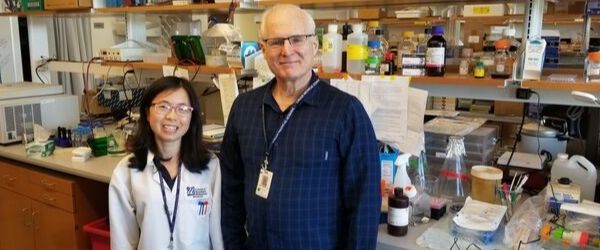
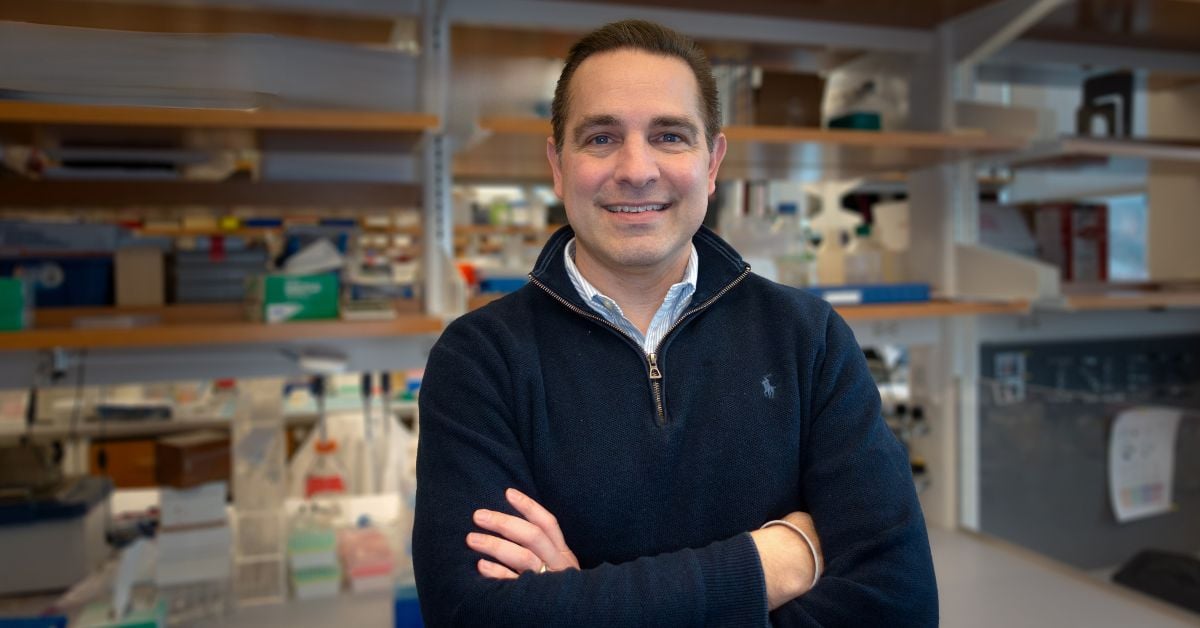
    Lou Messina Awarded NIH Funding to Study Immune Cell Aging as a Root Cause of Impaired Wound Healing

    Dr. Messina received an NIH R01 award to investigate why wound healing declines with age and in people living with type 2 diabetes. Building on decades of research showing that aging and diabetes reprogram bone marrow stem cells and impair immune-mediated healing, this project will explore how oxidative stress and epigenetic changes affect wound repair and identify targets that could someday restore healing and reduce complications.

  • 01/23/26 Headshots of Sam Redick and Rene Maehr side by side

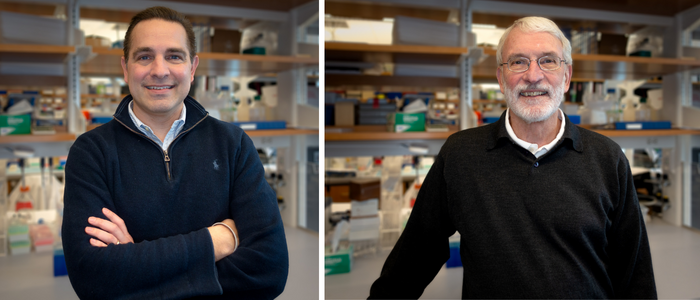
    Sambra Redick and René Maehr Named Co-Directors of the Pappas Stem Cell Differentiation Core

    The UMass Diabetes Center of Excellence named Drs. Sam Redick and René Maehr as co-directors of the Pappas Stem Cell Differentiation Core. Together, they will continue to advance stem cell–derived islet production and research, including gene editing to protect insulin-producing beta cells from autoimmune Type 1 diabetes.  The ultimate goal is a cell-replacement therapy that won't require immunosuppressants.  

  • 12/04/25 Silvia Corvera headshot next to a fat cell

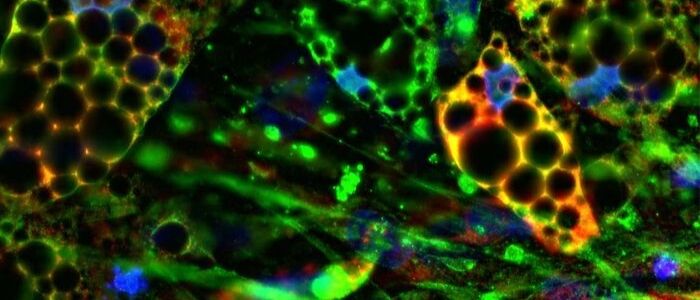
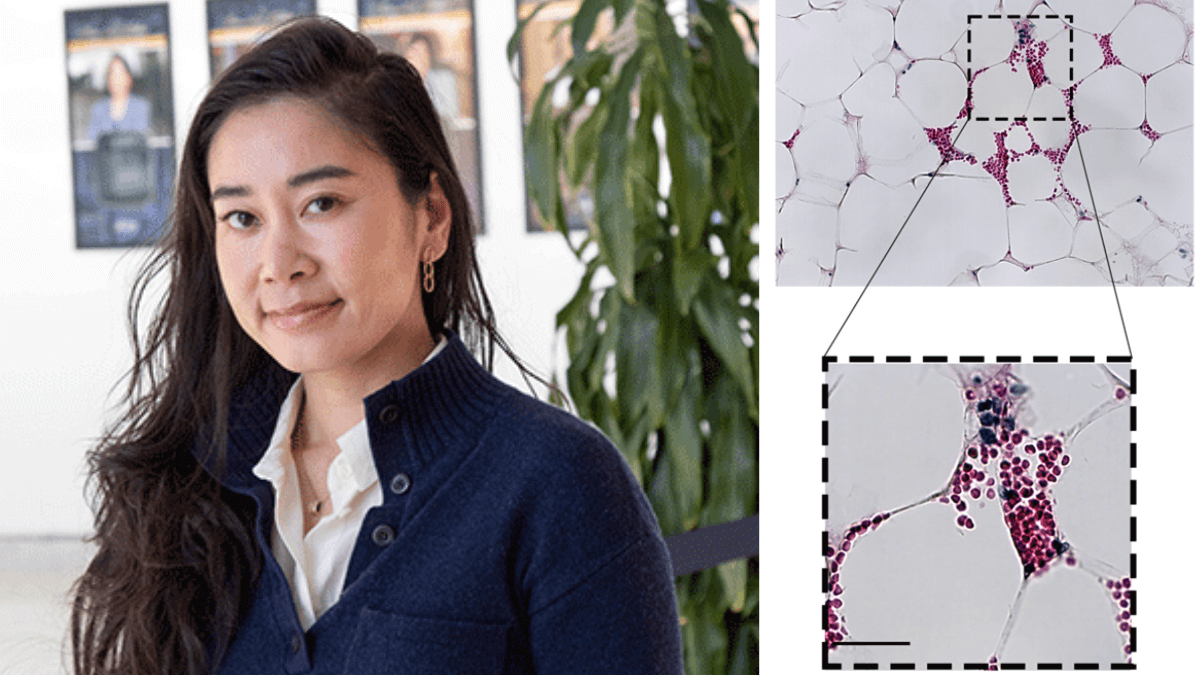
    Corvera Lab Reveals How a Key Protein Helps Fat Cells Stay Healthy

    Healthy fat cells depend on a protein called Seipin—and new work from the Corvera Lab shows why. When Seipin is missing, fat cells can’t form or maintain normal fat droplets, leading to severe metabolic problems. Understanding this process is helping researchers uncover new paths to treat rare fat-tissue disorders and improve metabolic health.

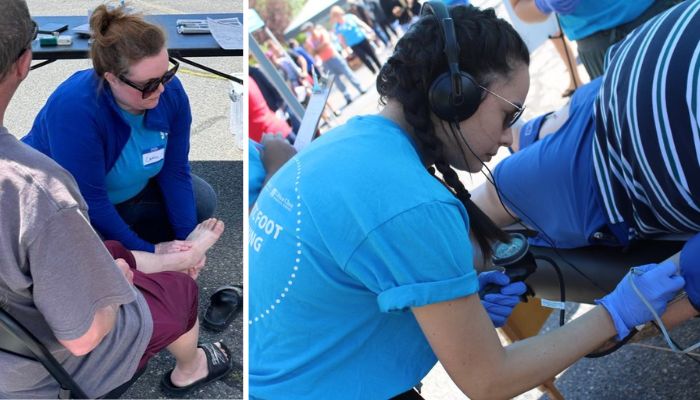
  • 11/19/25 Providers treating the public at a Diabetic Foot Clinic in 2024

    Diabetes Health Outreach Clinic for Community Members in Need

    The 11th Diabetes Foot & Health Care Clinic for the underserved community was held on Saturday, November 15.  In addition to free comprehensive checkups, attendees received sneakers, socks, and a hot meal. The first of these bi-annual multidisciplinary outreach events was held on World Diabetes Day (November 14) 2020.  

  • 10/17/25 Image of a liver in the human body

    Uncovering a Link Between Liver Fat and Fibrosis

    The laboratories of Michael Czech, PhD, and Batuhan Yenilmez, PhD, shed light on how fatty liver disease becomes dangerous. They discovered that a key liver enzyme can trigger scarring—and identified a pathway that may be blocked to stop the disease from progressing. Their study points to new ways scientists may prevent severe liver damage and improve treatments for metabolic disorders.

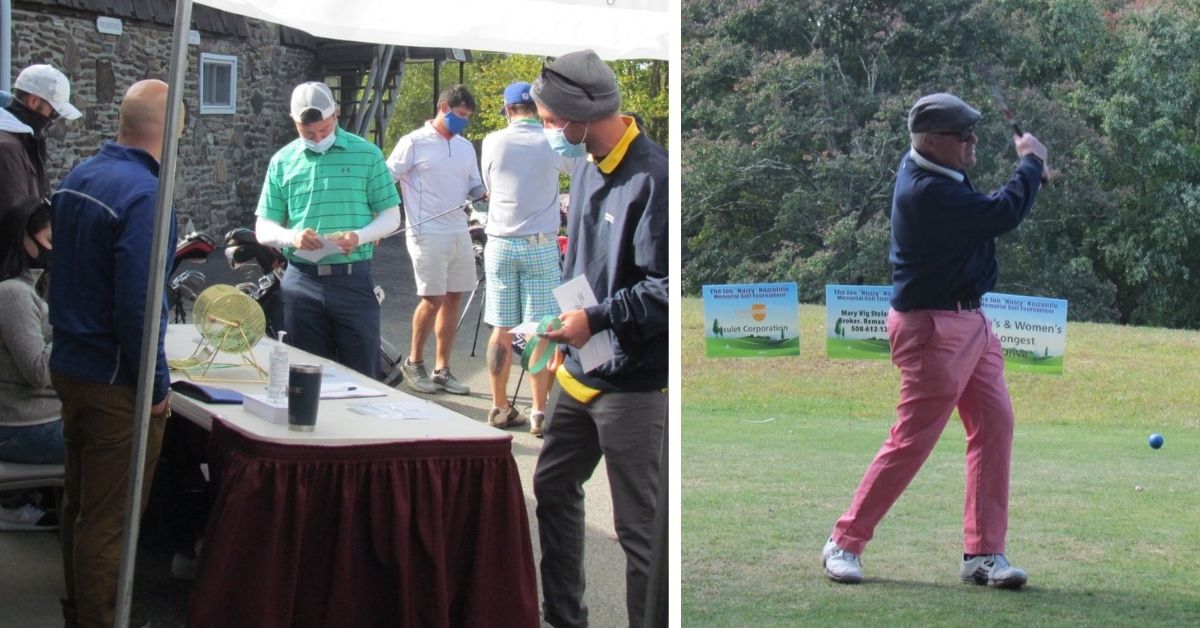
  • 09/26/25 Nuzzy Memorial Golf Tournament

    Joseph Nozzolillo Memorial Foundation Surpassed $152,000 in Fundraising for UMass Diabetes Research

    The Joseph “Nuzzy” Nozzolillo Memorial Foundation raised $18K in 2025, adding to its ongoing support of the UMass Diabetes Center of Excellence.  Their eight-year fundraising total has surpassed $152,000. The 8th annual Nuzzy Memorial Golf Tournament was organized by Joe's family and friends, who are grateful for the care he received and optimistic about our Type 1 diabetes research.   

  • 08/01/25 Dale Greiner and Michael Brehm standing together

    Michael Brehm Named DCOE Co-Director Continuing Dale Greiner's Legacy

    After more than three decades, Dale Greiner, PhD, has stepped down as co-director of the Diabetes Center of Excellence (DCOE) at UMass Chan Medical School. His longtime colleague and mentee, Michael Brehm, PhD, was appointed as the new co-director, joining David Harlan, MD, in leading the DCOE’s research mission to prevent and ultimately cure type 1 diabetes.   

  • 07/24/25 Kent lab researcher at work

    Study Provides New Clues About the Autoimmune Attack in Type 1 Diabetes

    Scientists from UMass Chan Medical School’s Diabetes Center of Excellence contributed to a study published in Cell Reports, shedding light on how the immune system attacks beta cells. They examined human islets induced with stress caused by cytokines and found that exposure to cytokines alters the way islet cells display antigens to the immune system.

  • 06/20/25 Diabetes technology tools compliation

    The Latest Blood Glucose Management Tools and Products

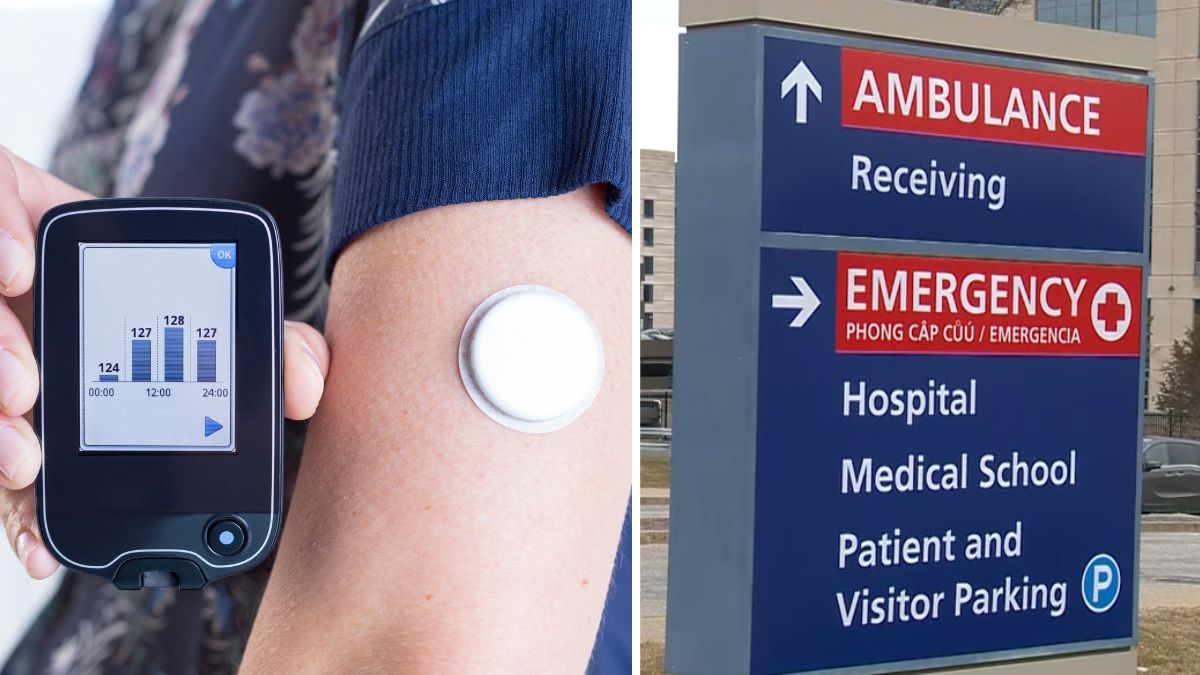
    New insulin pumps, infusion devices, continuous glucose monitors, glucagon delivery devices, and smartphone apps continue to become available to aid in diabetes management. Learn about the latest technology and tools providing improved self-care options for people living with both type 1 diabetes and type 2 diabetes.   

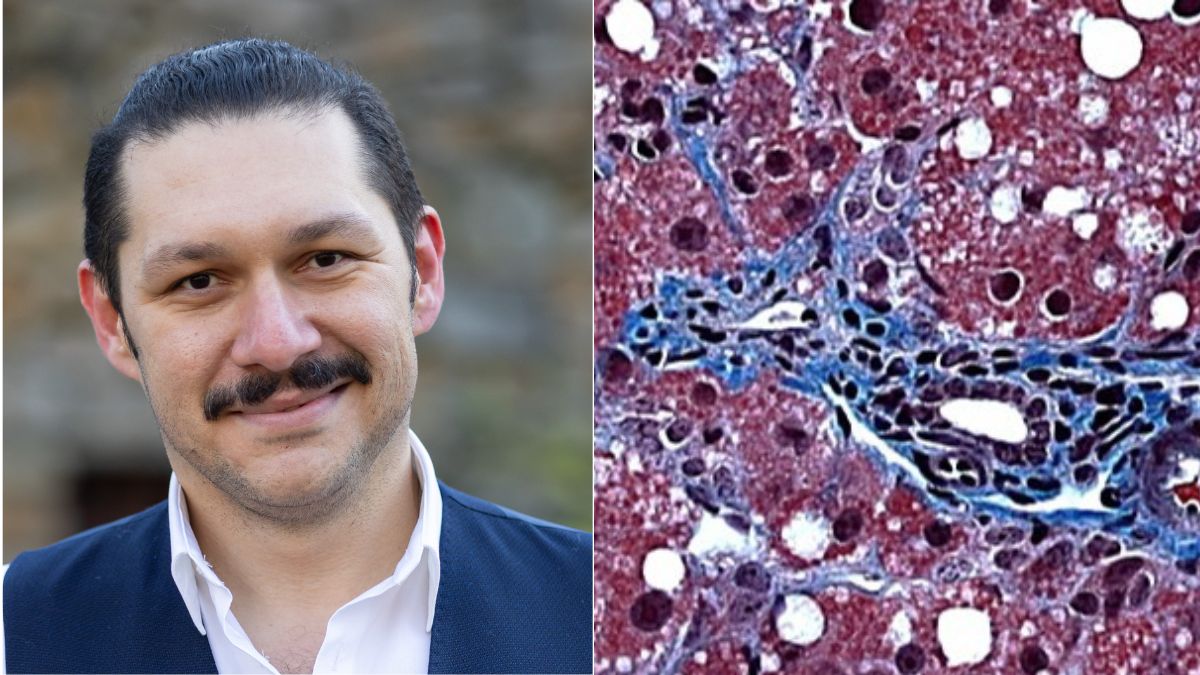
  • 06/16/25 Batu Yenilmaz, PhD headshot and cell image

    Investigating RNA Therapies for Metabolic Dysfunction-Associated Steatotic Liver Disease (MASLD) in the Yenilmez Lab

    A significant percentage of people living with type 2 diabetes also have excess fat in the liver, which can progress to metabolic dysfunction-associated steatohepatitis (MASH), a serious form of liver disease. Since current treatment options remain limited, these studies explored two approaches to better understand how new therapies might be developed: disrupting an enzyme involved in converting blood glucose into fat in obese mice, and using short-interfering RNA (siRNA) to silence genes that drive fatty liver and inflammation in obesity and diabetes.

  • 03/10/25 Jessica Spinelli, PhD and graduate student Nicolai Hathiramani in the lab

    Jessica Spinelli Lab Discovered a Secret Molecule in Mitochondria That Helps Cells Survive Low-Oxygen

    The laboratory of Jessica Spinelli, PhD, recently identified a molecule in mitochondria that helps to reroute energy production when oxygen levels drop. This discovery could provide new therapies for oxygen-starved conditions, including heart attacks & strokes, as well as cell replacement therapies.  The Spinelli lab is investigating how this new information could protect insulin-producing beta cells after transplantation. 

  • 01/24/25 Jennifer Wang, PhD with Wura Arowosegbe, PhD

    Jennifer Wang Lab Sheds Light on Interferon Signaling in Diabetes

    The laboratory of physician-scientist Jennifer Wang, MD, investigated the role of interferons in type 1 diabetes, discovering that type I interferon signaling is not the sole driver of the disease. Their newly published study tested JAK inhibitors like ruxolitinib. They found a potential preventative treatment that blocked diabetes development in their novel rat models of T1D, highlighting the complex interplay of immune factors in the disease's progression.

  • 05/20/25 Dr. David Harlan headshot

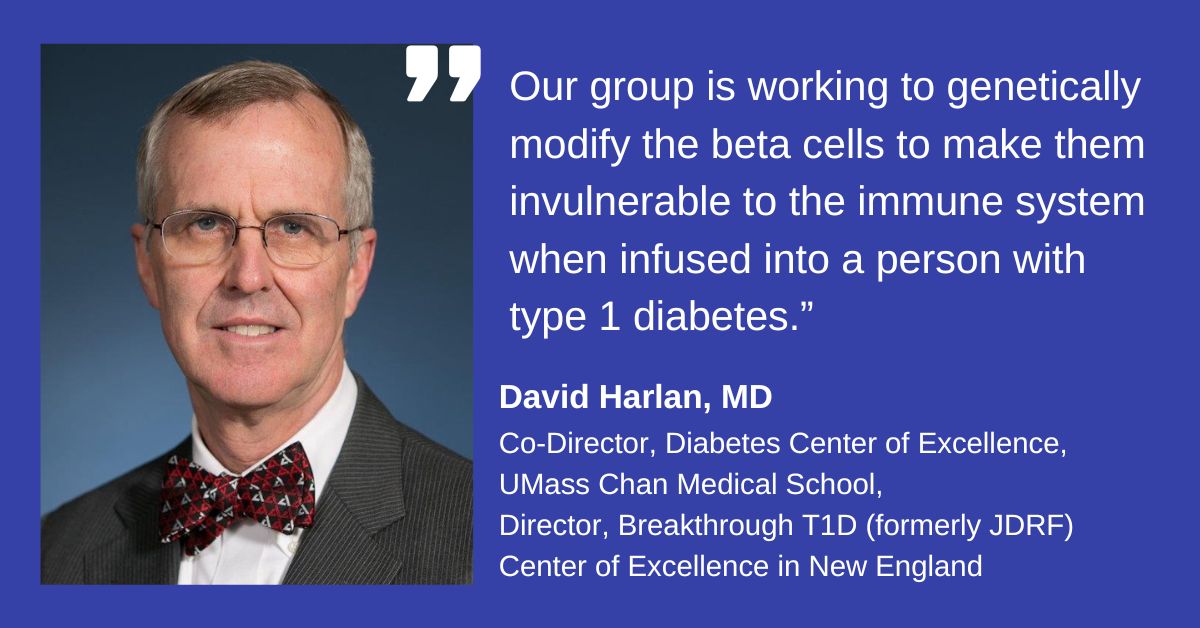
    Genetically Engineering Human Beta Cells as a Potential Therapeutic Cure for Type 1 Diabetes

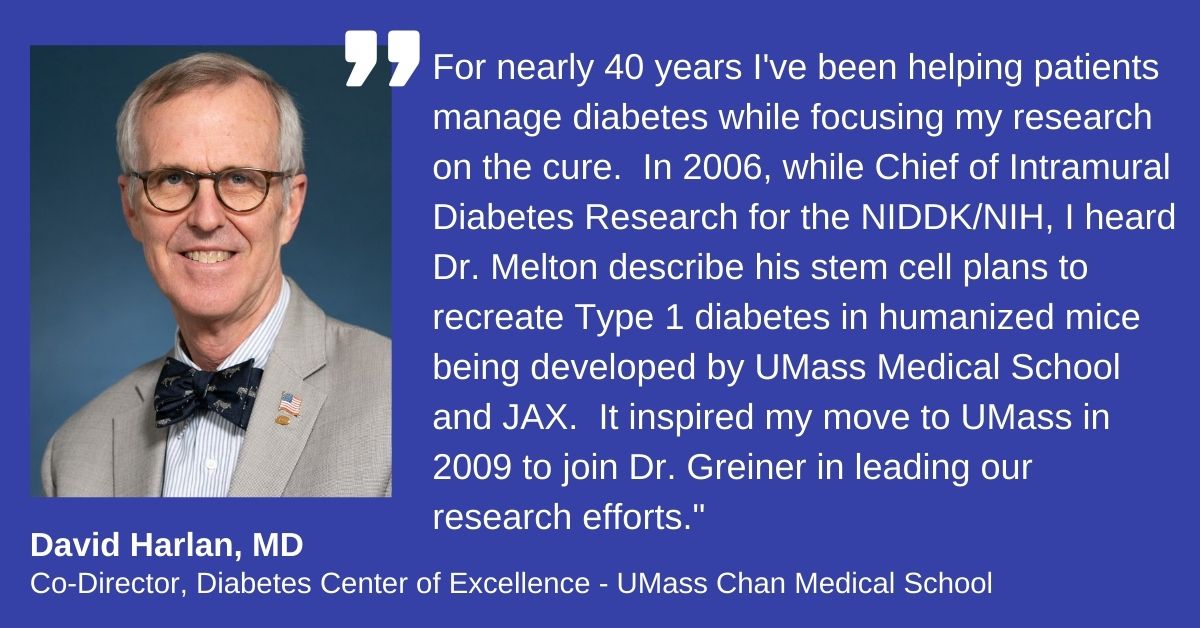
    Scientists at the Breakthrough T1D Center of Excellence in New England, led by David Harlan, MD, are collaborating to create a stem cell-derived beta cell replacement therapy that is invisible to the immune system and provides insulin independence for people with type 1 diabetes. The team includes 10 investigators from the Diabetes Center of Excellence at UMass Chan Medical School.

  • 10/23/24 Ekaterina Korobkina headshot next to fat cell

    Guertin Lab Publication in Nature Discovers New Information About Brown Fat Metabolism

    A newly published study in Nature Metabolism from the laboratory of David Guertin, PhD, contributed to understanding brown fat metabolism and could potentially lead to new approaches for managing metabolic disorders.  The research, led by graduate student Kate Korobkina, provides new insights into mitigating mitochondrial stress and the connection between dietary carbohydrates and heat production in brown fat.

  • 10/11/24 Pregnant woman checking blood glucose

    Studying Blood Glucose Management During Pregnancy to Improve the Health of Mothers and Children

    The 2024 Herman G. Berkman Diabetes Clinical Innovation Fund grant was awarded to Gianna Wilkie, MD, to conduct a clinical study at UMass Memorial Medical Center of pregnant women with type 2 diabetes comparing continuous glucose monitoring to multiple daily fingersticks to check blood sugars.  It will include maternal blood glucose control, patient satisfaction, and other perinatal outcomes.

  • 08/20/24 Lou Messina and a postdoc working in the lab

    Messina Lab Examines How High Cholesterol Disrupts Healthy Artery Development

    A study from the laboratory of Louis Messina, MD, published in JVS-Vascular Science, explored how hypercholesterolemia (high cholesterol) can affect the growth of new blood vessels (collateral arteries), that are important for maintaining blood flow when main arteries are clogged.  This is particularly relevant for conditions including peripheral arterial disease (PAD), where clogged arteries in the legs can lead to serious complications, including limb loss. People living with type1 and type 2 diabetes are at increased risk to develop PAD.


  • 08/16/24 Nate Farrington at his desk

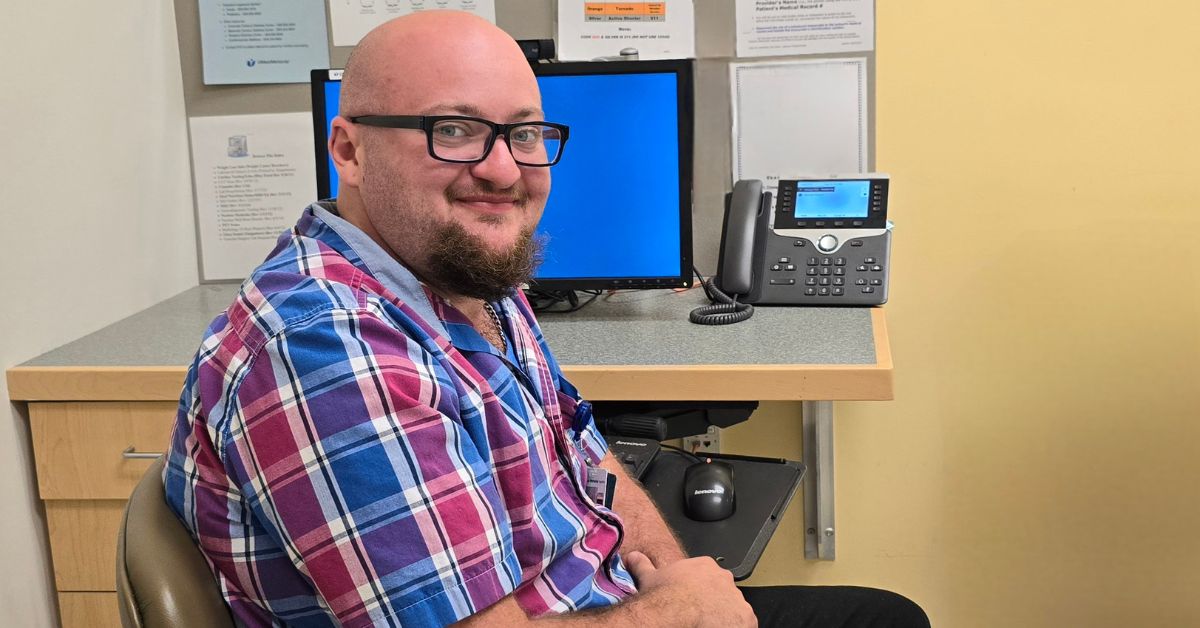
    Reducing Prescription Wait Times and Increased Efficiency in the Endocrinology & Diabetes Clinics

    Nate Farrington is Supervisor of the Endocrinology & Diabetes care teams, overseeing operations at the Ambulatory Care Center on the University Campus, and the newly renovated Endocrinology and Metabolic Weight Clinics downtown Worcester. His Six Sigma Green Belt lean project improved efficiency by reducing prescription wait times by more than 80%.  Nate has been sharing his productivity tool with other UMass Memorial departments, and he received two grants to help further his education. 

  • 05/31/24 Drs. Corvera and Nguyen surrounded by immune cells

    Adipose (Fat) Tissue Plays an Important Role in the Aging Process

    Tammy Nguyen, MD, PhD, and Silvia Corvera, MD, published a review article in the journal Nature Metabolism that discusses the role of adipose tissue (fat tissue) in the aging process. As people get older age, fat tissue undergoes changes that can influence our metabolism, immune function, and even lifespan.  Drs. Nguyen & Corvera highlight that over time fat tissue loses its ability to store and release energy efficiently. It can lead to an imbalance in energy metabolism, contributing to conditions including cardiovascular diseases, obesity and diabetes.

  • 04/02/24 Michael Brehm arms folded in the lab

    Michael Brehm, PhD, Promoted to Associate Director

    Michael Brehm, PhD, Associate Professor of Molecular Medicine, The Harvey A. Shultz Chair in Diabetes, and co-director of the UMass Chan Humanized Mouse Core, was promoted to associate director of the Diabetes Center of Excellence (DCOE) at UMass Chan Medical School in March of 2024. In this role, Dr. Brehm will work alongside co-directors David Harlan, MD, and Dale Greiner, PhD, in leading our diabetes research efforts, including the production of human stem cell-derived islets in the Pappas Stem Cell Differentiation Core.
  • 10/16/23 Induced Pluripotent Stem Cells

    Generation and Molecular Characterization of Human Pluripotent Stem Cell-Derived Pharyngeal Endoderm

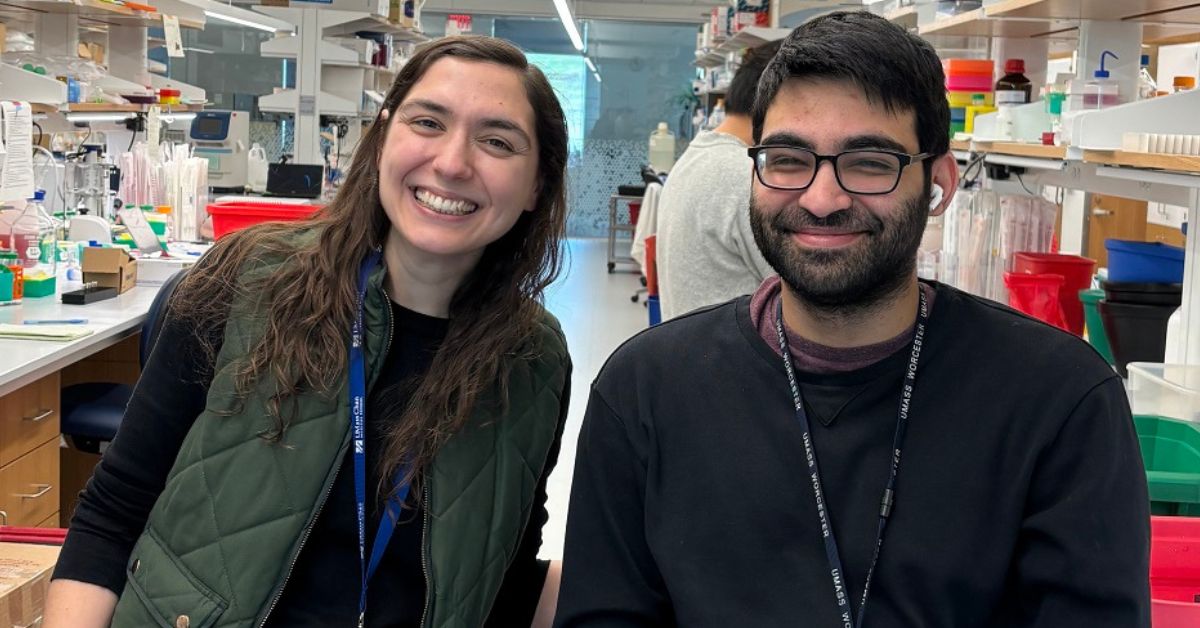
    The foregut endoderm contributes to several organs including the thyroid, lungs, liver, and pancreas. Approaches to study it has been impeded by lack of tissue access and cellular models. A protocol to develop human pharyngeal endoderm from stem cells was published by the UMass Diabetes Center of Excellence laboratories of René Maehr, PhD and Michael Brehm, PhD at UMass Chan Medical School. 

  • 09/15/23 Dr. Nguyen headshot next to her Yellow Bone Marrow data image

    Surgeon-Scientist Tammy Nguyen Found a Distinct Class of Stem Cells Develop from Yellow Bone Marrow in Humans

    The laboratory of vascular surgeon-scientist Tammy Nguyen, MD, PhD, developed a novel method in collaboration with Dr. Silvia Corvera’s lab to collect human stem cells directly from the bone marrow of people who underwent lower extremity amputations for non-healing wounds and grow them in her lab. Her research is examining why the immune cells of people living with diabetes behave differently than those without diabetes. In a newly published study, she identified that there are two different types of stem cell populations that are located within separate parts of bone marrow in the human leg. So far Dr. Nguyen has learned that stem cells derived from yellow/fatty marrow proliferate more and are more responsive. Currently she is asking additional questions in her lab to compare the marrow and immune cell development between people living with diabetes and those without diabetes.
  • 06/16/23 Tree of Hippocrates in Kos

    Tree Connected to "Father of Medicine" Planted Between the UMass Chan Diabetes Clinic and Research Laboratories

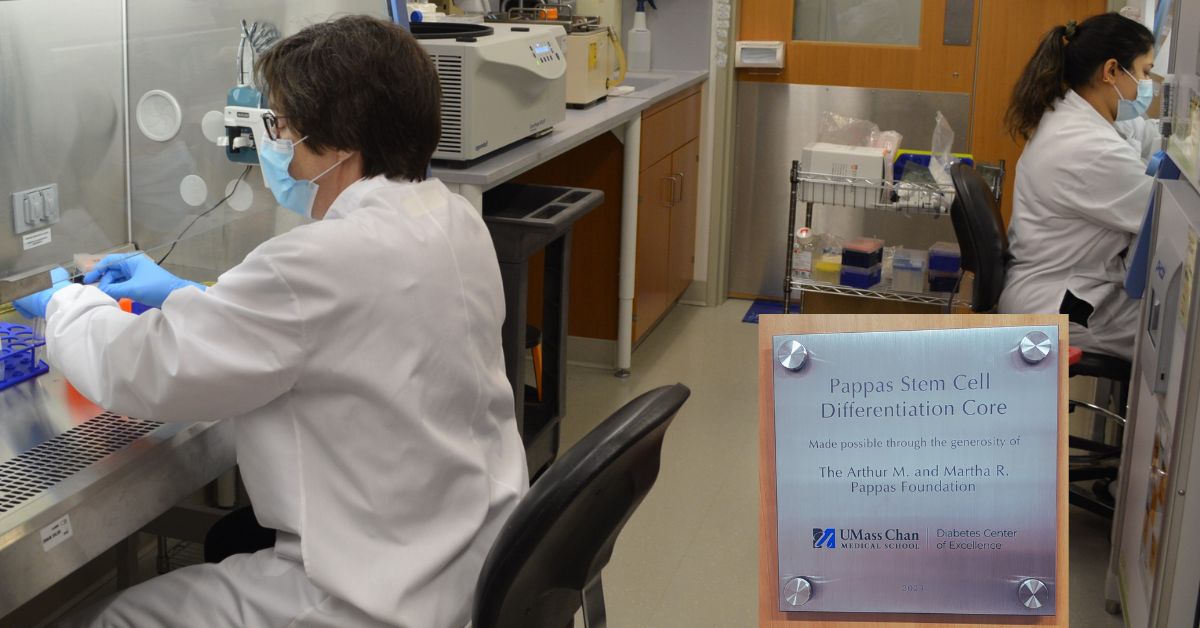
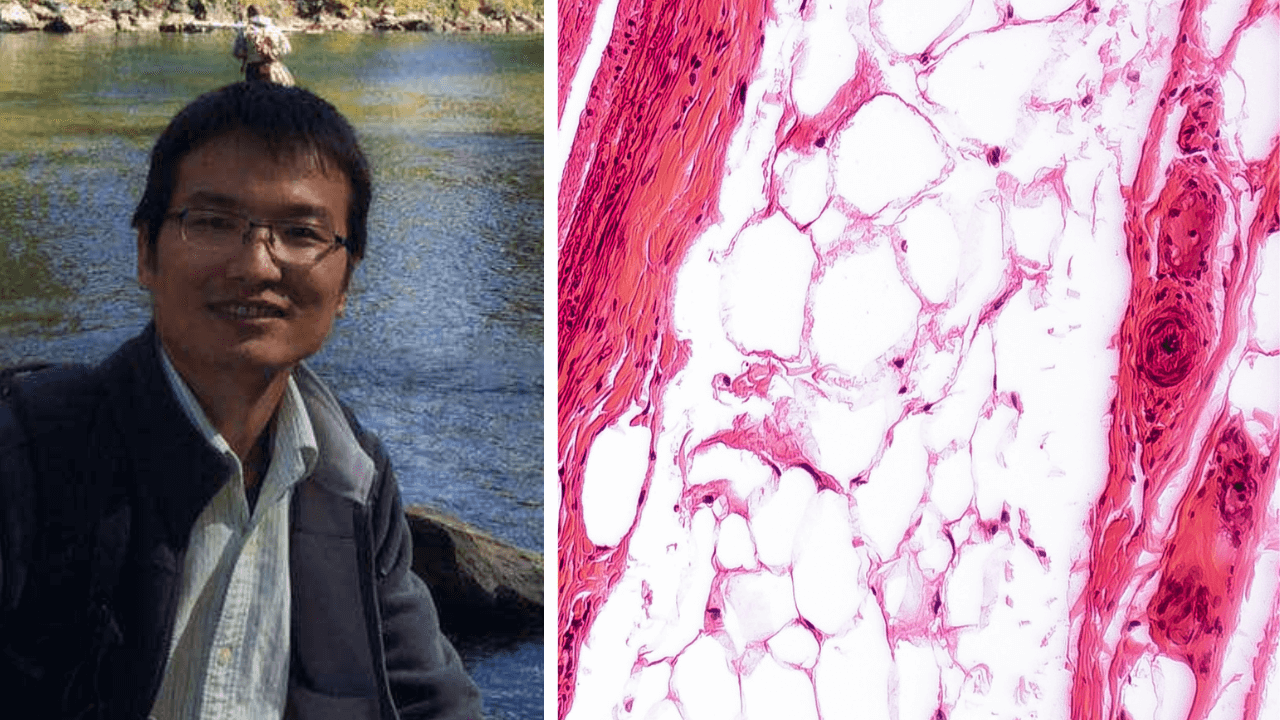
    A branch from the “Tree of Hippocrates” from an Oriental plane tree on the island of Kos, Greece was planted on the UMass Chan Medical School campus.  According to legend, Hippocrates of Kos, who is considered to be the father of medicine, educated his students near the tree more than 2,500 years ago. Three Diabetes Center of Excellence researchers spoke at the planting ceremony. 

  • 05/24/23 John Haley headshot

    John Haley Awarded Emerging Scientist in Metabolism Prize

    John Haley, a PhD candidate in the Guertin lab, was named Emerging Scientist in Metabolism by Weill Cornell Medicine.  He was awarded the top prize in a national competition for senior graduate students who are conducting metabolism research.  Haley plans to pursue post-doctoral training focusing on the intersection of metabolism and signaling.

  • 11/06/23 Jennifer Cuddy headshot

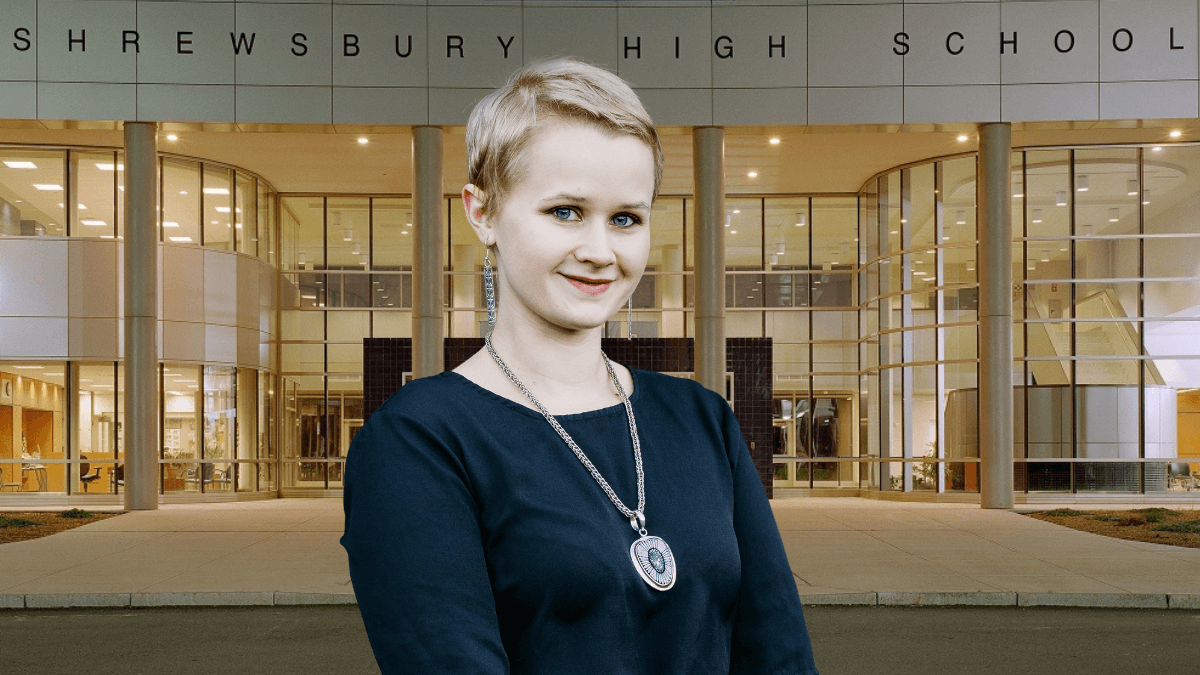
    Shrewsbury High School Science Teacher Awarded Summer Research Program at UMass Diabetes Center of Excellence

    Shrewsbury High School Chemistry teacher Jennifer Cuddy spent a second summer in the Diabetes Center of Excellence research laboratories thanks to an American Association of Immunologists High School Teachers Program in Immunology Award.  She participated in studies investigating the effects of human immune cells on stem cell-derived pancreatic islets. The program provided Ms. Cuddy with new skills that she can incorporate into her high school classroom.  

  • 04/22/24 Young person looking upset or not feeling well

    Young Adult Clinic Pilot Program to Improve Diabetes Care at UMass Memorial

    The UMass Memorial adult diabetes clinic launched a Young Adult Clinic to help 18 to 26 year-olds who are struggling with any aspect of living with type 1 of type 2 diabetes. The care team includes an Endocrinologist, Nurse Practitioner and Diabetes Educator who explore the participant’s unique issues and create personalized care plans to help them achieve their health goals. Resources and peer to peer communication is included in the program.

  • 01/05/23 Emilee Herringshaw headshot next to study image

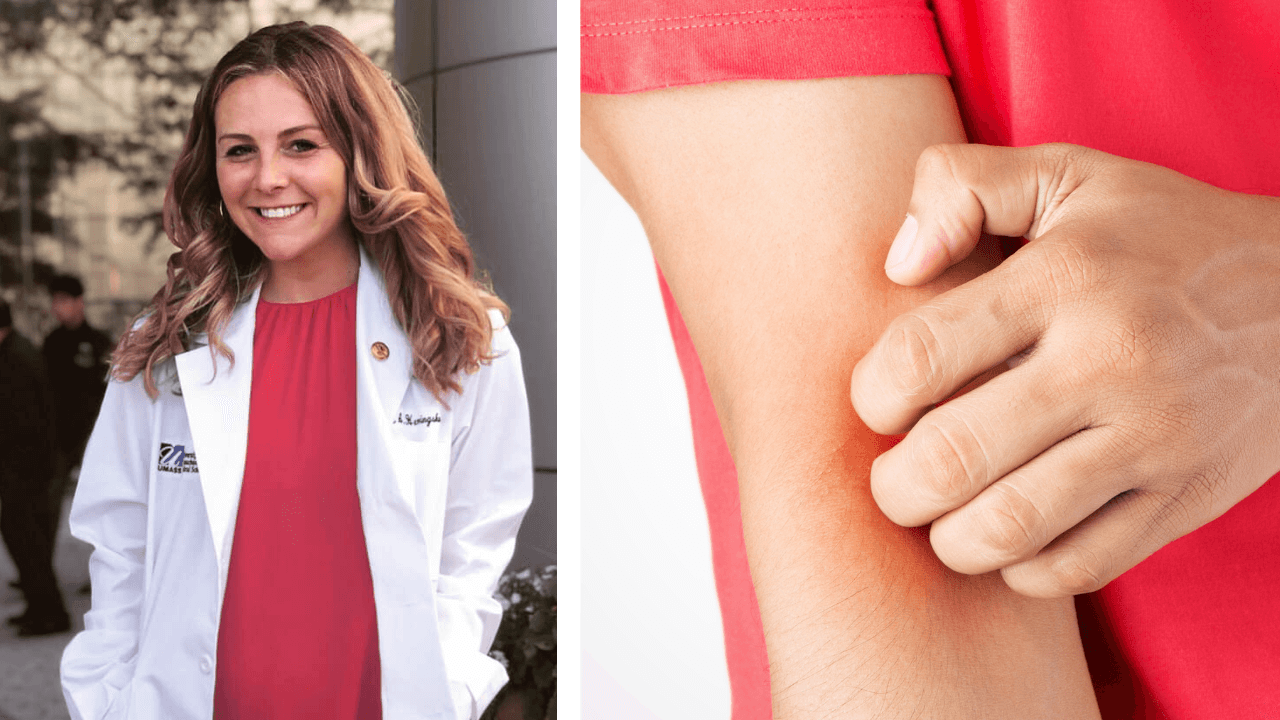
    UMass Chan Medical School Student Conducting Pilot Study to Analyze Skin Reactions to CGM at UMass Memorial Diabetes Center of Excellence

    Emilee Herringshaw is a UMass Chan Medical School student living with type 1 diabetes who is working towards a career in dermatology. She was awarded a clinical research grant by The American Contact Dermatitis Society to create a pilot study designed to evaluate skin reactions to continuous glucose monitors. Patients at the UMass Memorial Diabetes Center of Excellence are invited to participate and the data will be analyzed looking at all available devices, various scenarios & interventions.

  • 05/09/24 Dr. Redick working in the Papas Stem Cell Differentiation Core lab

    $500K from the Arthur M. and Martha R. Pappas Foundation to Advance UMass Chan Diabetes Research Capabilities

    The Pappas Stem Cell Differentiation Core in the UMass Chan Diabetes Center of Excellence is creating stem cell-derived pancreatic beta cells to investigate human type 1 diabetes in vivo thanks to a financial gift from the Arthur M. and Martha R. Pappas Foundation.  The Pappas Foundation also funded the purchase of a state-of-the-art flow cytometer to characterize cells and their functional and signaling properties in our laboratories.   

  • 12/27/22 Dr. Qingbo Chen side by side with a fat cell

    Secreted Protein in Brown Fat Shown to Control Thermogenesis and Blood Glucose

    Brown adipose tissue (fat tissue) is known to burn fat and improve metabolism, while white adipose tissue stores fat. Scientists are investigating the cellular and molecular mechanisms that regulate brown fat and exploring methods to convert white adipocytes into brown-like adipocytes. A newly published study in Nature Communications, led by Qingbo Chen, PhD, describes a brown fat-enriched adipokine they call Adissp (Adipose-secreted signaling protein), which is a key regulator for white adipose tissue thermogenesis and glucose homeostasis.

  • 11/21/22 Headshots of Drs. Wang and Alan Derr

    Wang Lab Study Finds Early Islet Transcriptional Signature is Associated with Local Inflammation in Type 1 Diabetes

    Viral infections continue to be linked to the development of type 1 diabetes, yet human immune responses to viruses and how that leads to the destruction of insulin-producing beta cells in the pancreas are still unknown.  The laboratory of Jennifer Wang, MD, investigated inflammatory pathways because viruses can trigger inflammation that damages the pancreas.  The research focused on early events that lead to autoimmune responses to viruses, with the ultimate goal of developing therapeutics that could target inflammation before T1D manifests.

  • 10/10/22 Wpman with Vitilago

    Immunologist Sally Kent Investigating Autoreactive T Cell Function in Vitiligo

    A five-year grant from the NIH/NIAMS was awarded to John Harris, MD, PhD, Founding Director of the Vitiligo Clinic & Research Center, and Autoimmune Therapeutics Institute at UMass Chan Medical School. The project is titled Dissecting Functional Autoimmunity through High-Resolution Multiomics in a Vitiligo Center of Research Translation. Dr. Kent is leading Project 1, Autoreactive T Cell Function in Vitiligo.

  • 09/26/22 Adipocyte Signaling Pathway image

    The Czech Lab Reviews the Adipocyte Supersystem of Insulin and cAMP Signaling in Trends in Cell Biology

    The Czech lab examined the metabolic regulation of adipocytes by insulin receptor signaling and the cAMP signaling pathway in a review article published in the journal Trends in Cell Biology. The two major signaling networks regulate virtually every organ and/or cell type in the human body.  While the two signaling pathways intercommunicate regularly in fat cells, published data has shown they typically counteract one other in most cellular processes. Their opposite roles are indispensable for adipocyte physiology and metabolic homeostasis. Together they constitute what the Czech lab calls “the adipocyte supersystem.” However, their review highlights a set of genes that are known to promote metabolic health and were activated by both insulin and catecholamines in the same way.  

  • 08/25/22 Tammy Nguyen wearing a mask working in the laboratory

    Tammy Nguyen Receives NIDDK K08 Career Development Award to Investigate and Improve Non-Healing Wounds in People with Type 2 Diabetes

    Vascular surgeon-scientist Tammy Nguyen, MD, PhD, received a K08 Clinical Investigator Award from the National Institute of Diabetes and Digestive and Kidney Diseases to advance her independent clinical research. Dr. Nguyen wants to understand why people with diabetes have a difficult time with wound healing, particularly foot ulcers. She’s studying the effect of type 2 diabetes on the development of the immune system, with the goal of designing targeted therapies to combat poor wound healing. As the Medical Director of the Lower Extremity Wound Clinic at UMass Memorial Health, she continues to perform surgeries on people with diabetes who developed uncontrolled infections that led to amputations. 

  • 06/16/22 Dr. David Harlan  JDRF Center of Excellence in New England

    UMass Diabetes Center of Excellence Co-Director David Harlan Appointed Director of the JDRF Research Center in New England

    Dr. David Harlan was named Director of the JDRF Center of Excellence in New England. He brings decades of experience as a physician-scientist with expertise in autoimmune diabetes and metabolism. His current research is focused on beta cell biology and the anti-beta cell immune response. The Center is genetically modifying beta cells with the goal of making them invulnerable to the immune system when infused as a therapy into a person with type 1 diabetes.

  • 05/20/22 Tammy Nguyen headshot with Wylie Scholar Award

    Vascular Surgeon-Scientist Tammy Nguyen Receives Wylie Scholar Award For Diabetic Wound Healing Research

    Tammy Nguyen, MD, PhD is a vascular surgeon-scientist who is interested in understanding why people living with diabetes have trouble getting foot wounds to heal. This career development grant will provide $150,000 over the next three years for her project “Exploring How the Diabetic Immune System Contributes to Non-Healing Ulcers.” Dr. Nguyen is studying the effect of type 2 diabetes (T2D) on the development of the immune system to design targeted therapies to combat poor wound healing for people with T2D. She developed a novel method to collect and expand human stem cells directly from the bone marrow of donors both with and without T2D who underwent lower extremity amputation for non-healing wounds.

  • 03/31/22 Mark O'Connor headshot for research study

    Endocrinologist Mark O'Connor Identifying Genes Linked to the Risk of Developing Type 2 Diabetes

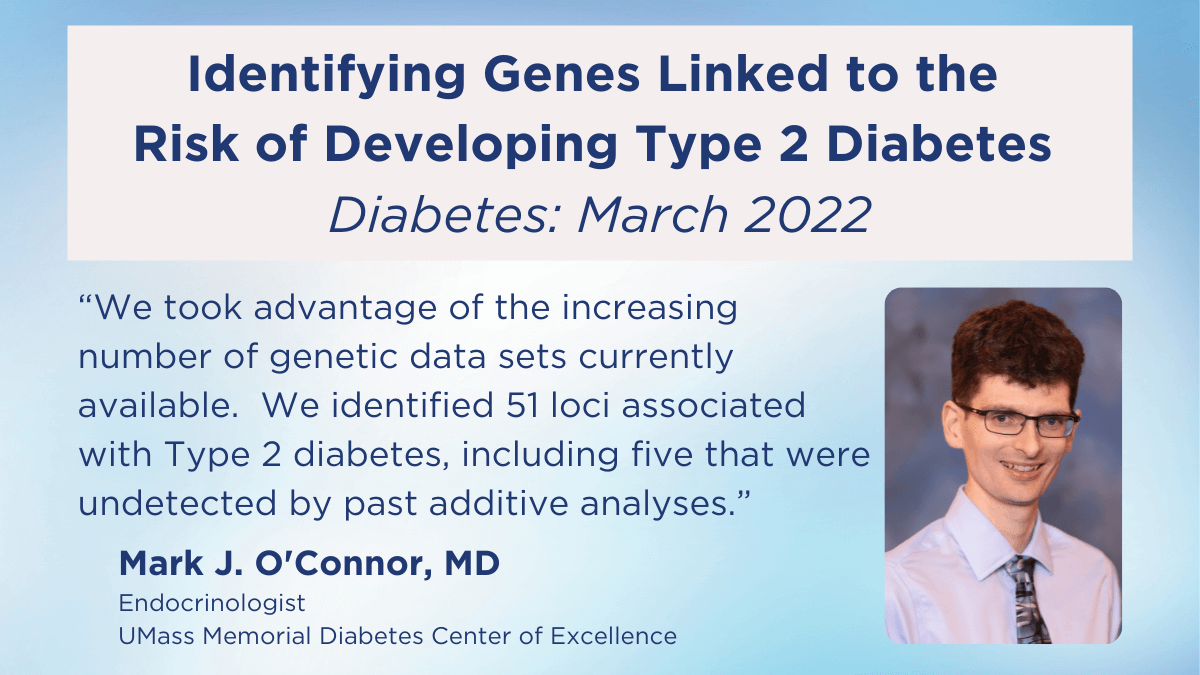
    Endocrinologist Mark O'Connor, MD, led the largest genome-wide meta-analysis study ever done using a recessive model for Type 2 diabetes.  It identified 51 loci associated with diabetes, including five that were undetected by past additive analyses.  The results were published in the journal Diabetes demonstrating that recessive models can identify new genetic risk factors for T2D, including variants with large effect sizes.  

  • 03/24/22 Sarah Nicoloro in laboratory

    Genetically Increasing Fat Burning to Improve Metabolic Function as a Potential Therapy for Type 2 Diabetes

    The Czech Lab is using genetic engineering to investigate a therapeutic approach to Type 2 diabetes.  Senior scientist Sarah Nicoloro's research involves the modification of genes of adipocytes to increase fat burning and improve their metabolic function as a potential therapy.  When she joined the lab in 1998, their focus was to learn about the interactions taking place within adipocytes, particularly insulin signaling and GLUT4 trafficking. She was part of a team of scientists who developed a novel small interfering RNA (siRNA) delivery system. Learn more about Sarah and her research.

  • 03/16/22 Brown Adipose Tissue image from the study

    Guertin Lab Reviews the Multi-omics Era of Adipocyte Insulin Signaling and Metabolism Research in Trends in Biochemical Sciences

    Proteomics and metabolomics are advancing the understanding of insulin signaling focusing on fat cells (white and brown adipocytes).  The Guertin lab describes how integrating the two ‘omics techniques is critical to clarifying adipocyte insulin action in Type 2 diabetes.  Their article raises questions for future investigation with important implications for understanding and treating insulin resistance, obesity, and metabolic diseases such as Type 2 diabetes.  

1-48  of  99  items
of 3